Mastering Sports Broadcasting: Key Techniques and Insights for Success
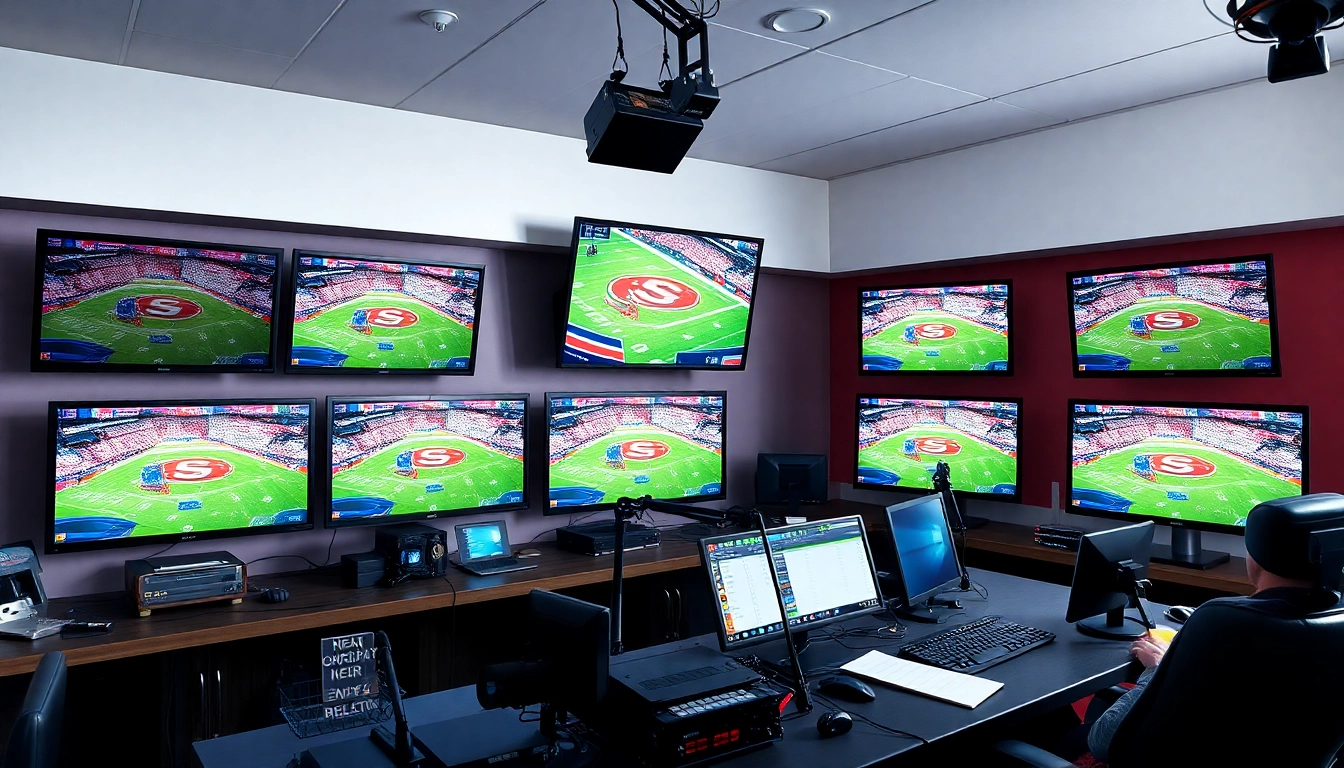
Understanding the Fundamentals of Sports Broadcasting
Sports Broadcasting has evolved into a dynamic component of modern media, revolutionizing how fans connect with their favorite sports. It encompasses various formats, encompassing both traditional television and digital streaming platforms, and serves as the framework through which sports content reaches audiences worldwide. By exploring its foundations, we can gain valuable insights into the intrinsic value of Sports Broadcasting in today’s entertainment landscape.
The Role of Sports Broadcasting in Modern Media
In the modern media landscape, Sports Broadcasting plays a pivotal role in enhancing viewer engagement and building community among fans. It provides not only entertainment but also critical information, historical context, and analysis of sporting events, thus enriching the viewer’s experience. With the expansion of media channels, such content can now reach viewers across various platforms, such as cable television, online streaming services, and social media, accommodating diverse consumption preferences.
Key Terminology in Sports Broadcasting
Understanding the lexicon of Sports Broadcasting is essential for both newcomers and professionals. Key terms include:
- Play-by-Play: The real-time commentary of a sporting event, providing detailed descriptions of actions.
- Color Commentary: Additional commentary that provides insights, anecdotes, and strategic analysis.
- Graphics: Visual elements displayed during broadcasts, including player stats and game scores.
- Live Streaming: Broadcasting content in real-time over the internet.
- Studio Show: A pre- or post-game program featuring analysis and discussions.
Types of Sports Broadcasting Formats
Sports Broadcasting can be categorized into various formats, each serving unique audience needs:
- Television Broadcasts: Traditional live coverage of sports events via cable or satellite TV.
- Streaming Services: Platforms that provide live and on-demand sports content, catering to a mobile audience.
- Radio Broadcasts: Live commentary and insights provided through AM/FM and internet radio.
- Podcasts: On-demand audio episodes that dive deep into sports topics, interviews, and analysis.
- Social Media Livestreams: Real-time broadcasting via platforms like Facebook Live and YouTube.
Essential Skills for Sports Broadcasting Professionals
The field of Sports Broadcasting is multifaceted, requiring a broad skill set to achieve success. From strong communication to technical proficiency, aspiring professionals must cultivate diverse talents.
On-Air Presentation Skills
On-air presenters must command the screen with charisma and confidence. Effective skills include clear articulation, engaging storytelling, and the ability to connect with viewers emotionally. Mastery of these elements enables broadcasters to capture attention while conveying essential information concisely.
Technical Know-How: Equipment and Software
Understanding the technical side of Sports Broadcasting is crucial. Professionals must be familiar with cameras, sound equipment, and the software used to produce broadcasts. Knowing how to operate broadcasting equipment can significantly impact the quality of the transmission and allows for quicker problem-solving during live events.
Interview Techniques in Sports Broadcasting
Conducting effective interviews is a vital capacity for a successful sports broadcaster. This involves preparation, crafting open-ended questions, and active listening to facilitate a fluid conversation. The ultimate goal is to elicit valuable insights and narratives that resonate with the audience.
Technological Advances in Sports Broadcasting
Technological advancements continue to reshape the landscape of Sports Broadcasting, presenting both challenges and opportunities for professionals.
The Impact of Streaming on Sports Broadcasting
The rise of streaming platforms has revolutionized how sports content is consumed. Viewers are no longer tied to traditional broadcast schedules; they now enjoy flexibility in watching live events on mobile devices or computers. This shift has also led to innovative monetization strategies, including subscription-based models and pay-per-view events.
Use of Social Media to Enhance Sports Broadcasting
Social media has become an integral part of Sports Broadcasting. Broadcasters leverage platforms like Twitter and Instagram for real-time engagement, delivering updates, commentary, and fan interaction. Furthermore, behind-the-scenes content fosters a tight-knit community around sports events, enhancing viewer loyalty.
Virtual Reality in Sports Broadcasting
Virtual Reality (VR) has the potential to create immersive sports viewing experiences. By simulating in-stadium atmosphere from the comfort of home, VR technology opens avenues for innovative fan engagement. As the technology matures, expect VR to play a key role in future broadcasting strategies.
Creating Compelling Content for Sports Broadcasting
Content creation is the heartbeat of Sports Broadcasting. Compelling content not only informs but also entertains and engages the audience.
Storytelling Techniques in Sports Broadcasting
Effective storytelling enhances the broadcast experience. Broadcasters must weave narratives that illustrate the emotional stakes of sporting events, highlighting players’ journeys, rivalries, and pivotal moments. By connecting emotionally with the audience, broadcasters create memorable experiences that resonate beyond the game itself.
Engaging with the Audience through Interactive Content
Interactive content, such as polls and quizzes, encourages viewer participation during broadcasts. This approach fosters a sense of community and keeps fans invested in the broadcast. By involving the audience, sports broadcasters can enhance their reach and deepen viewer relationships.
Building a Brand in Sports Broadcasting
Branding is vital for sports broadcasters in a crowded marketplace. Establishing a unique voice, aesthetic, and value proposition is crucial. Through consistent messaging and high-quality content, broadcasters can build reputation and trust, ultimately fostering viewer loyalty.
Measuring Success in Sports Broadcasting
To continually improve, sports broadcasters must track performance through data analysis and defined metrics that reflect success.
Key Performance Indicators for Sports Broadcasting
Measuring success relies on several key performance indicators (KPIs), including:
- Viewership Ratings: Metrics that indicate how many viewers are watching a broadcast.
- Engagement Rates: Interaction levels on social media platforms during broadcasts.
- Audience Retention: The percentage of viewers who stay tuned for the entirety of a broadcast.
- Revenue Generation: Financial metrics, including advertising and subscription income.
- Social Media Reach: Growth in follower numbers and engagement on social media accounts.
Leveraging Analytics for Improvement in Sports Broadcasting
Data analytics has emerged as a powerful ally. By analyzing viewership patterns, audience preferences, and engagement levels, sports broadcasters can refine content strategies, enhance viewer experiences, and align programming with audience interests.
Future Trends in Sports Broadcasting
As the industry evolves, several trends are poised to shape the future of Sports Broadcasting, including AI-driven content personalization, augmented reality features in broadcasts, and a greater emphasis on diversity in coverage. Staying attuned to these changes will be essential for broadcasters aiming to remain relevant in a competitive landscape.
Frequently Asked Questions
What is Sports Broadcasting?
Sports Broadcasting refers to the live telecast and dissemination of sports events through various media channels, including television, radio, and online streaming platforms.
What skills are needed for a career in Sports Broadcasting?
Important skills include on-air presentation, technical proficiency with broadcasting equipment, strong interviewing abilities, and effective storytelling techniques.
How has technology influenced Sports Broadcasting?
Technology has revolutionized Sports Broadcasting by introducing streaming services, enhancing viewer engagement through social media, and employing innovative tools like virtual reality.
What are some common challenges in Sports Broadcasting?
Common challenges include maintaining audience engagement, managing live broadcast controversies, and adapting to rapidly changing technologies.
What are Key Performance Indicators (KPIs) for Sports Broadcasting?
KPs for Sports Broadcasting include viewership ratings, engagement rates, audience retention, revenue generation, and social media reach.