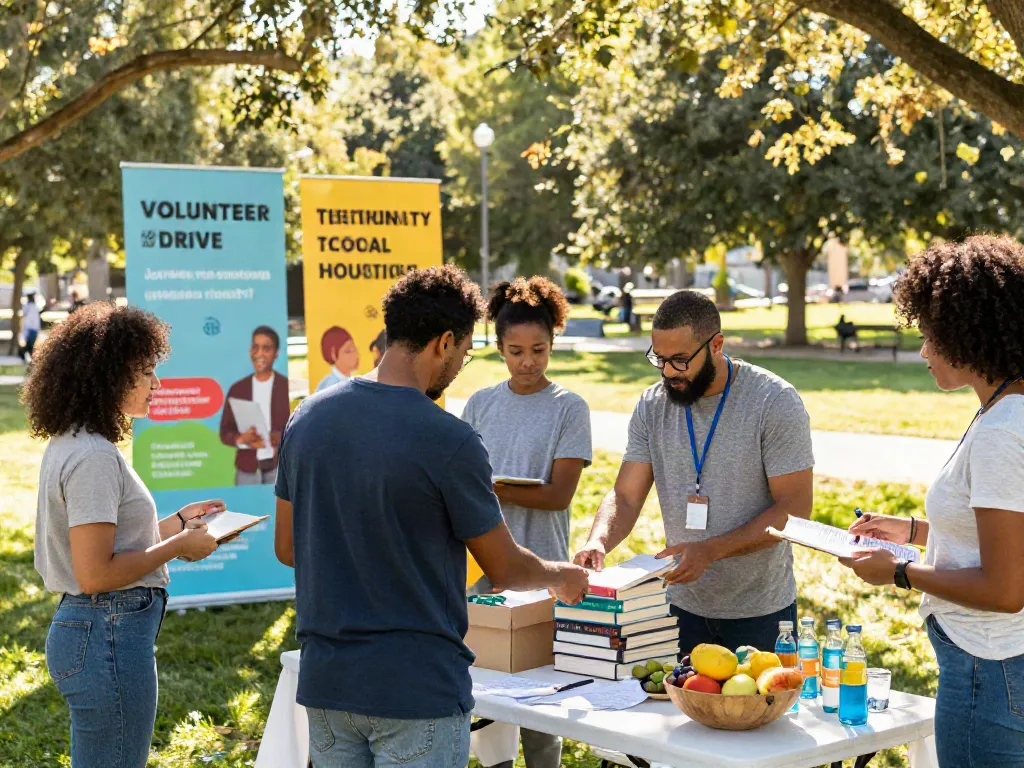
Understanding the Impact of Community Support
In an increasingly interconnected world, the significance of community support cannot be overstated. Individuals and organizations alike are seeking ways to make a positive impact, transforming local neighborhoods into thriving environments. Community engagement fosters a sense of belonging, enhances social cohesion, and improves the overall quality of life. Whether through volunteering, financial contributions, or simply lending a helping hand to a neighbor, everyone has a role to play in creating a supportive community. Understanding how you can help is the first step towards contributing to meaningful change.
Why Community Help Matters
Community help is essential for various reasons. Primarily, it addresses immediate needs such as food insecurity, homelessness, and access to healthcare. When community members come together to support one another, they create a safety net that can assist those going through tough times. Studies have shown that areas with robust community support networks experience lower crime rates and improved mental health outcomes, demonstrating the profound effects of collective action.
Identifying Community Needs
Understanding the specific needs of a community is crucial for effective support. Conducting surveys, holding community meetings, or collaborating with local organizations can help identify pressing issues. A well-informed approach ensures that efforts are directed where they are most needed, whether that involves providing resources for education, health services, or emergency assistance.
Examples of Successful Community Engagement
Several case studies highlight the power of community engagement. For instance, a local food bank that mobilizes volunteers to address food deserts in urban areas showcases how organized efforts can systematically tackle hunger. Similarly, initiatives that partner with schools to provide mentorship programs for at-risk youth demonstrate the significant impact of collaboration on improving community outcomes.
Effective Strategies for Community Involvement
As individuals or organizations look to make a difference, several strategies can enhance their community involvement efforts. Each offers unique opportunities to contribute positively.
How You Can Help Through Volunteering
Volunteering is one of the most direct ways to make an impact. By offering your time and skills, you can contribute to various initiatives, from cleaning parks to tutoring students. Many organizations rely heavily on volunteers, and your participation can significantly enhance their capacity to serve the community. Additionally, volunteering can foster personal growth, skill development, and deeper community connections.
Organizing Local Fundraising Events
Fundraising events are a powerful way to generate resources for community projects. By organizing local events like bake sales, charity runs, or silent auctions, you can engage the community while raising money for specific needs. It's essential to communicate the cause effectively and to involve local businesses and residents to maximize participation and contributions.
Building Partnerships with Local Organizations
Establishing partnerships with local nonprofits, schools, or businesses can amplify your community support efforts. Collaboration allows for shared resources, expertise, and outreach capabilities. By working together, community members can coordinate efforts and ensure that initiatives are sustainable and impactful.
Innovative Solutions to Common Challenges
Community support efforts often encounter challenges. However, with creativity and collaboration, these can be overcome.
Overcoming Volunteer Fatigue
Volunteer fatigue is a common issue that can hinder community efforts. To combat this, organizations should prioritize volunteer engagement and acknowledgment. By providing meaningful experiences and recognizing contributions, volunteers are more likely to remain motivated and continue their involvement.
Adapting to Changes in Community Needs
Communities are dynamic and ever-changing; thus, support strategies must adapt accordingly. Regular assessment of community needs ensures that programs stay relevant and effective. Engaging with community members through feedback loops can provide critical insights into how to evolve initiatives to meet current demands.
Utilizing Technology for Outreach
In today’s digital age, technology can be leveraged to improve outreach efforts. Social media platforms and community apps can facilitate communication and coordination among community members. Online fundraising tools and virtual volunteer opportunities can also broaden participation, allowing individuals to contribute regardless of location.
Measuring Success in Community Initiatives
To understand the effectiveness of community support efforts, it’s crucial to measure success. Metrics provide valuable insights that can inform future initiatives and improvements.
Setting Realistic Goals and Metrics
Establishing clear objectives is essential for community initiatives. By setting measurable goals, organizations can track their progress and evaluate the effectiveness of their efforts. For example, if an initiative aims to reduce homelessness by 20% over a year, tracking metrics such as the number of families housed can help gauge success.
Evaluating Community Feedback
Community feedback is a vital component of assessing success. Surveys, focus groups, and open forums can provide valuable insights into how initiatives are perceived and their tangible impacts. Listening to the community ensures that programs are aligned with their needs and desires.
Case Studies of Effective Programs
Analyzing successful programs can provide a roadmap for effective strategies. For example, a community that established a mentorship program for at-risk youth may show improved educational outcomes and community cohesion. Documenting these successes can inspire and guide future initiatives.
Future Trends in Community Support
As we move towards 2026, several trends are likely to shape the future of community support.
Emerging Volunteering Opportunities in 2026
With advancements in technology and changes in societal needs, volunteering opportunities will continue to evolve. Virtual volunteering, for example, is set to become more prevalent, allowing individuals to contribute remotely. Additionally, new focus areas, such as mental health support and climate action, will emerge as community priorities.
How You Can Help in a Post-Pandemic World
The COVID-19 pandemic has changed the landscape of community needs. Supporting local businesses and mental health initiatives will be crucial as communities recover. In this new context, understanding how you can help will involve adapting to the emerging challenges faced by your community.
Building Resilience Through Community Networks
In the face of future challenges, resilient community networks will be essential. Fostering relationships among community members and organizations can enhance collective problem-solving and ensure a strong response to crises. By building these networks, communities can better navigate uncertainties and thrive.
What are ways you can help?
There are countless ways to help your community, from donating your time to advocating for resources. Whether you choose to volunteer at a local shelter or organize community clean-up days, every action counts.
How do I answer to "How can I help you?"?
When someone asks how they can help, consider what you truly need. Be specific in your request, whether it’s volunteer support, donations, or simply time to listen, as this clarity can make it easier for others to lend their support.
What are 10 ways I can help someone?
- Offer to run errands for someone in need.
- Volunteer your time at a local charity.
- Prepare a meal for a neighbor.
- Donate clothes or household items.
- Provide transportation for someone without a vehicle.
- Help a child with their homework.
- Assist in organizing a community event.
- Donate blood or register as an organ donor.
- Mentor someone in your field of expertise.
- Simply check in on someone to offer support.